June 15, 2026
Hiring a contractor for chain fence installations may seem straightforward, but overlooking key details can lead to costly mistakes, poor workmanship, and long-term maintenance issues. A chain-link fence plays an important role in securing your property, defining boundaries, and enhancing functionality, making it essential to approach the project with careful planning. From evaluating contractor qualifications and material quality to understanding local regulations and site conditions, several factors can influence the success of your installation. By recognizing common mistakes before work begins, homeowners and property managers can make informed decisions that protect their investment. In this article, we'll explore some of the most frequent errors people make when hiring chain fence installations and how to avoid them for a durable, attractive, and reliable result.
Prevent Improper Fence Post Installation
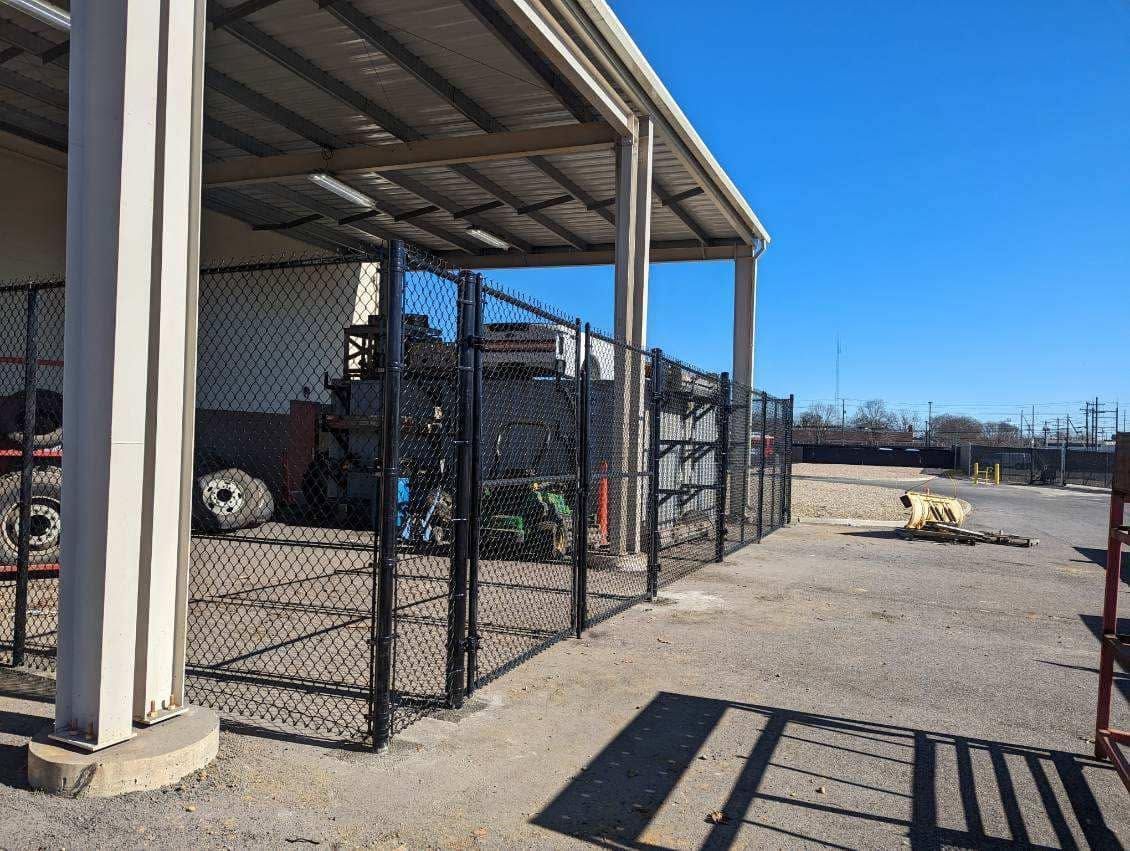
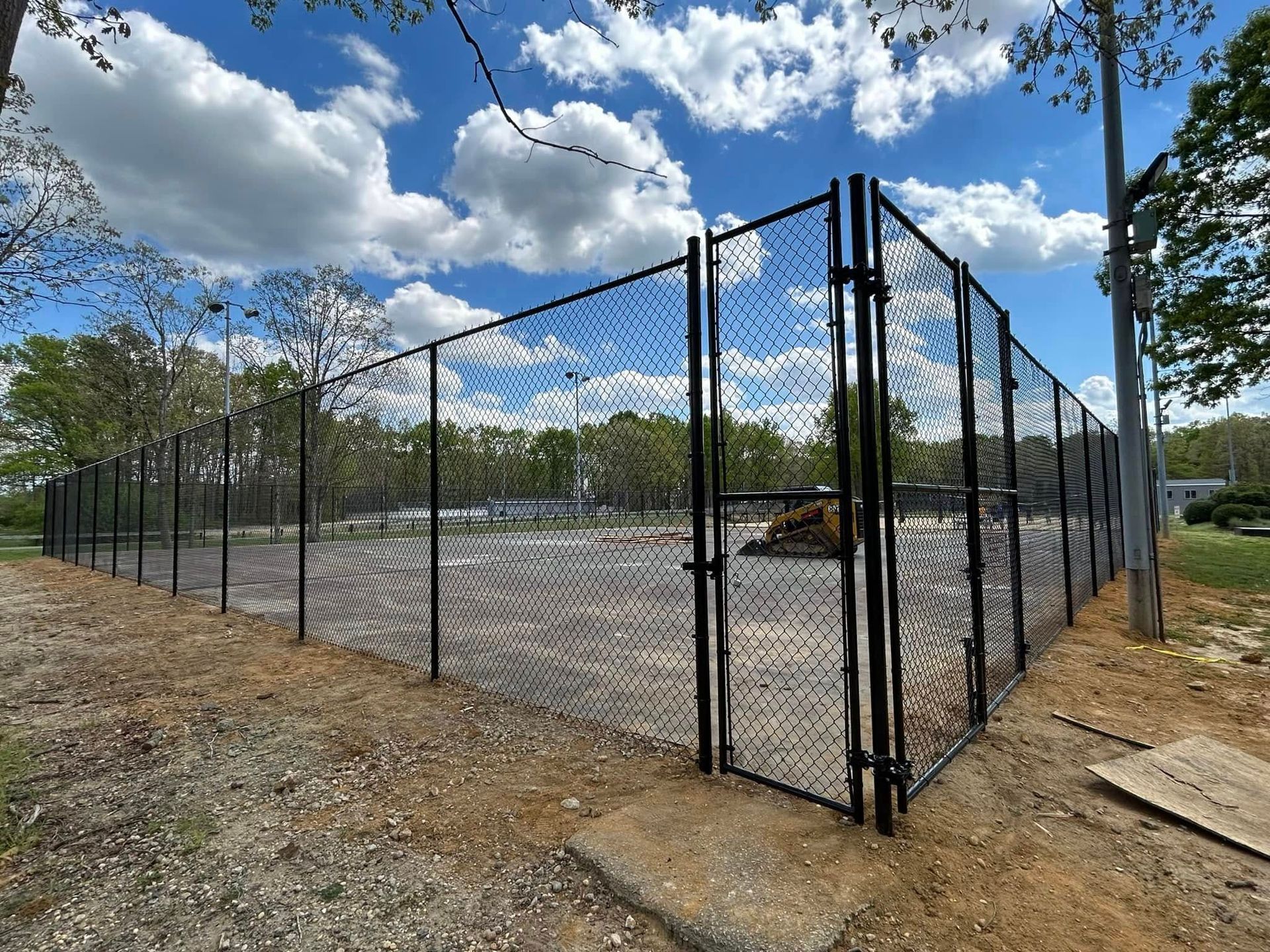
Ensure that fence posts are installed correctly to maintain structural integrity. A crucial aspect of chain fence installations is the correct setting of posts, which serve as the foundation. Any tilting or instability in the posts can cause the entire structure to weaken over time. Often, the fault lies in not securing the posts deep enough into the ground, especially in places prone to frosty conditions.
It is advisable to use concrete to stabilize the posts for long-lasting support. The holes dug for the posts should be consistent and meet the depth requirements specified by the materials used. Contractors might suggest installing posts at varying depths, depending on soil composition, to ensure stability. Never hesitate to ask about the methodology they use, as it defines the fence's longevity.
A properly installed post should firmly grip the wire, maintaining tension without undue slackness. According to HomeGuide, residential chain-link fences typically use nine- to 12-gauge wire, which requires careful stretching and anchoring to the posts. It’s essential to follow this guideline to avoid drooping sections that weaken security. A skilled contractor understands these specifications and incorporates them into the installation process.
Correct Inaccurate Property Measurements
Verify that accurate measurements are taken to ensure the fence fits the intended area. Measurement errors invariably lead to a lack of coverage, leaving gaps that curtail the fence's primary objective—security. Accurate area calculation determines the quantity of materials needed and helps avoid unnecessary costs associated with excess purchase or adjustments post-installation.
Before installation, contractors should evaluate the entire perimeter to guarantee precise estimations are made. This step involves not only linear measurements but also considering slopes, curves, and obstacles within the installation path. Fences need to seamlessly follow the landscape of your property; thus, detailed planning is essential. Missteps here can alter the aesthetic balance and functional performance of the fence.
Moreover, collaborating with a contractor to map the area can reveal potential challenges actively thwarting proper installation. A thorough understanding of the terrain helps in deploying the right infrastructure and reinforcing the fence at crucial points. The hired professionals should demonstrate preparedness with plans covering end-to-end execution. Clear communication about expectations ensures alignment with project designs and goals.
Recognize the Risks of Choosing Low-Quality Materials
Choose high-quality materials suited to your specific fencing needs. Opting for cheaper versions might seem economical initially, but may result in increased maintenance and replacement costs. The material selection process should factor in the durability, environmental interactions, and the fence's primary function, such as security or containment. Choosing the wrong gauge of wire could compromise the overall integrity and appearance of the fence.
Materials must withstand the test of time and environmental elements, such as moisture and UV exposure, which can lead to rust and weakness. For example, galvanized or vinyl-coated wires offer enhanced protection against rust and are valued for their lifecycle effectiveness. Consulting with an adept contractor who can guide selection to match local weather conditions is imperative. Quality materials ensure the investment is sustainable and functional over an extended period.
Additionally, while aesthetics should play a role, they must be balanced with practicality. The architectural style of your home, local climate conditions, and any possible county restrictions should influence material choices. With upgraded materials, there is potential for increased property value due to the improved appearance and durability of the fence. Remember, prudent initial investment in high-grade materials secures better returns in long-term performance and satisfaction.
Understand Local Codes and Regulations Before Installation
Check local regulations and zoning laws to avoid legal complications. Chain fence installations often have stringent codes pertaining to height, material, and proximity to property lines, which vary by locale. Ignorance of these could result in fines or forced removal, negating the investment of both time and money. Before commencing any installation project, decoding the specifics of these ordinances is vital.
Some municipalities require permits even for residential chain fence installations; therefore, beginning with a complete review of city guidelines is advised. Whereas some regions set caps on max height limits to ensure community uniformity, others might regulate against certain materials. Contractors must be knowledgeable about such restrictions to prevent violations. Engaging with an experienced contractor means they understand these nuances, ensuring compliance.
Conducting due diligence in verifying regulations provides peace of mind during and post-installation. Acquiring the necessary permits, if required, is part of respecting the local governance and maintaining good neighborly relations. Such attention to legal compliance ultimately protects the homeowner from unforeseen disputes. Proper documentation and recognition of codes further safeguard against possible resale hindrances should relocation be considered.
Account for Weather and Environmental Conditions
Account for climatic conditions that may affect the durability of the fence. Different weather patterns present unique challenges to chains and posts. For instance, areas prone to heavy rainfall require additional drainage solutions to prevent water accumulation and potential foundational weaknesses. By selecting materials and designs that intrinsic align with geographic weather norms, potential damage is mitigated.
Climates characterized by freezing and thawing cycles exert stress on materials, necessitating special installation techniques and materials that accommodate expansion and contraction. Often, fences without adequate weather prep become compromised as materials contract and expand disproportionately. Expensive repairs can then compound, burdening homeowners financially in the long run. Collaborate with the contractor to explore optimal designs specific to the intended climate.
Taking into account wind speed is another consideration, a factor that’s often overlooked yet significant in preventing sway and structural integrity loss. As such, engineers might endorse particular mesh sizes or post gaps to reinforce the structural aspect of chain fence installations. Long-term durability demands a harmonized interaction between the fence's features and environmental exposure, ensuring consistent performance throughout its lifespan. Professionals understand how local weather patterns influence fence design and can make adjustments that help prevent premature wear, damage, and costly repairs.
Choosing the right contractor and taking the time to address important installation considerations can make a significant difference in the performance and lifespan of your chain-link fence. From ensuring accurate measurements and proper post-installation to selecting quality materials and complying with local regulations, each step contributes to a successful project outcome. Understanding these common mistakes allows you to ask the right questions, set realistic expectations, and avoid unnecessary expenses down the road. With careful preparation and collaboration with experienced professionals, you can enjoy a fence that provides security, durability, and lasting value. Well-executed chain fence installations not only protect your property but also deliver peace of mind for years to come. Reach out to Endevers Fence to learn more about our
chain fence installations today.