September 11, 2026
Chain link fencing remains a top choice for both residential and commercial properties due to its durability, affordability, and practical utility. Choosing the right perimeter solution requires balancing functional security with aesthetic preferences to guarantee total satisfaction with your finished project. This comprehensive guide walks you through every major consideration and step involved in a successful installation. Whether your goal is securing a backyard, containing pets, or delineating property lines, chain link mesh offers an adaptable answer. By understanding material grades, proper post placement, tensioning techniques, and maintenance requirements, you can ensure a smooth process and enjoy a long-lasting, resilient barrier that adds lasting value to your home.
Understanding Chain Link Fencing
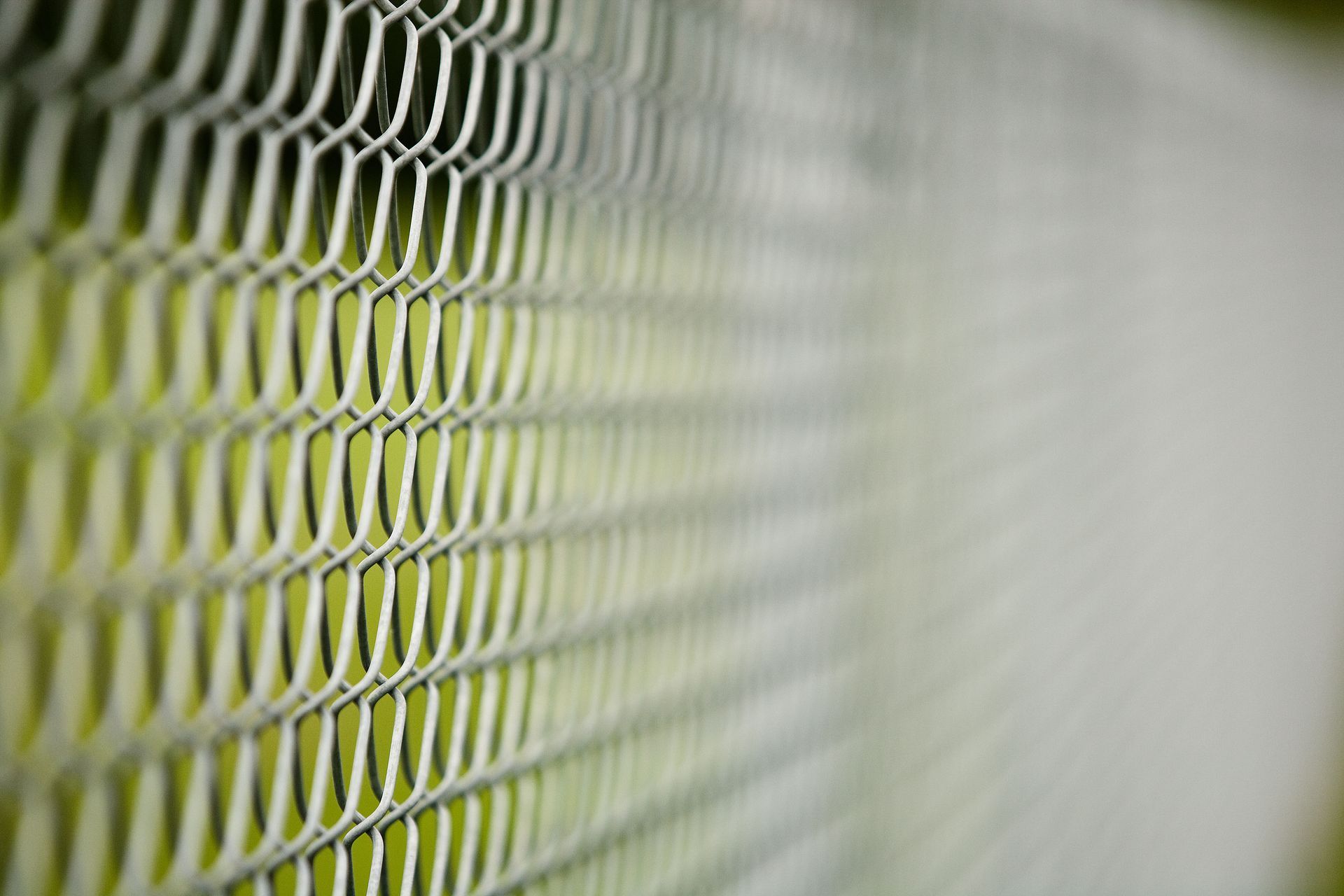
Chain link fencing is a woven structural fabric made from galvanized or high-tensile steel wire. The manufacturing process weaves the metallic strands into a characteristic diamond pattern that provides equal parts strength and flexible impact resistance. Its open-mesh design delivers exceptional visibility across property boundaries, making it a reliable choice for security personnel, park managers, and suburban homeowners. Galvanization coats the raw steel with protective zinc, guarding the inner metal against oxidation, rain, and extreme temperature shifts. Investing in professional chain fence installations ensures that this durable woven fabric is properly stretched and mounted to withstand decades of exposure to harsh weather without sagging or warping.
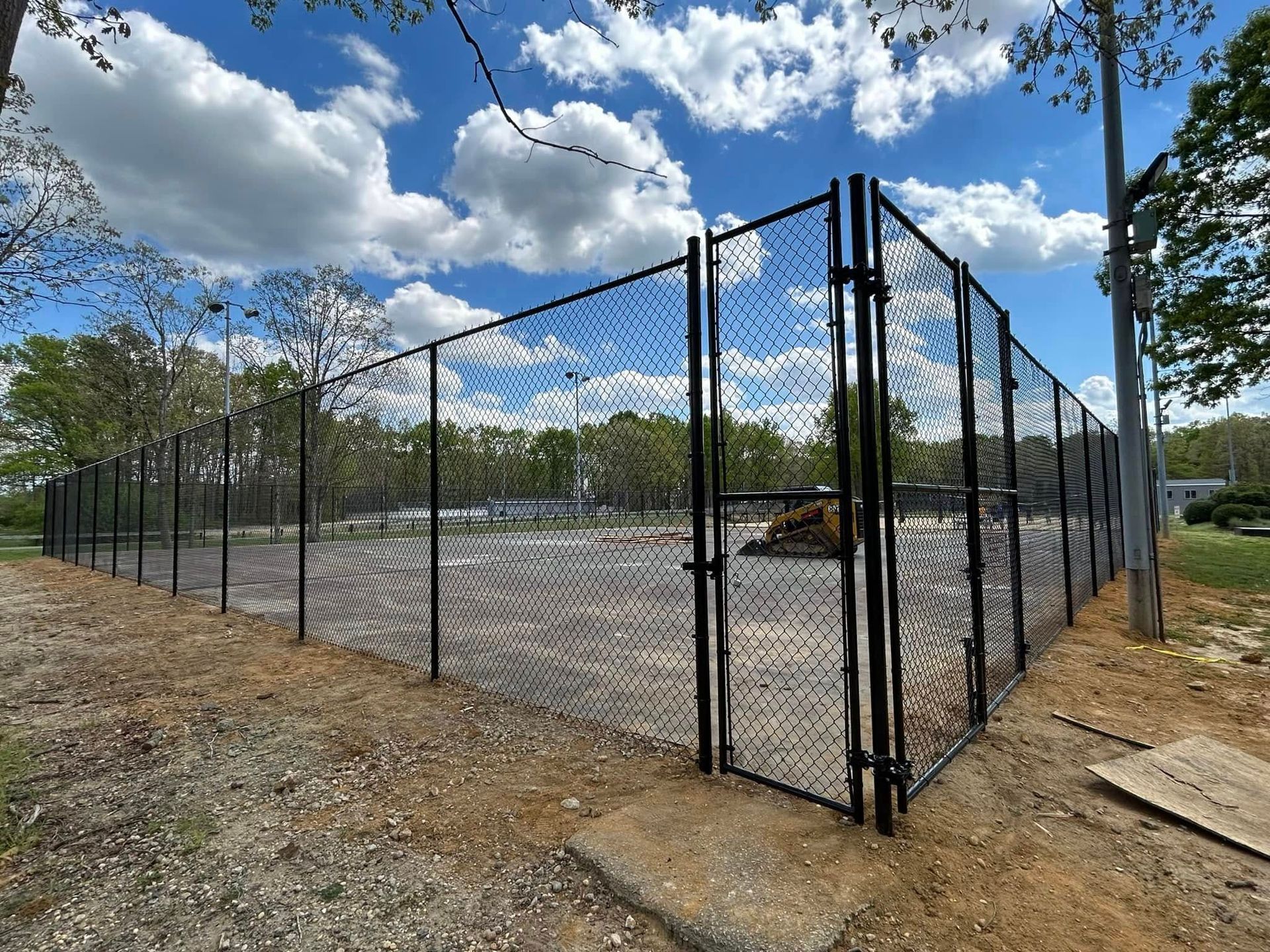
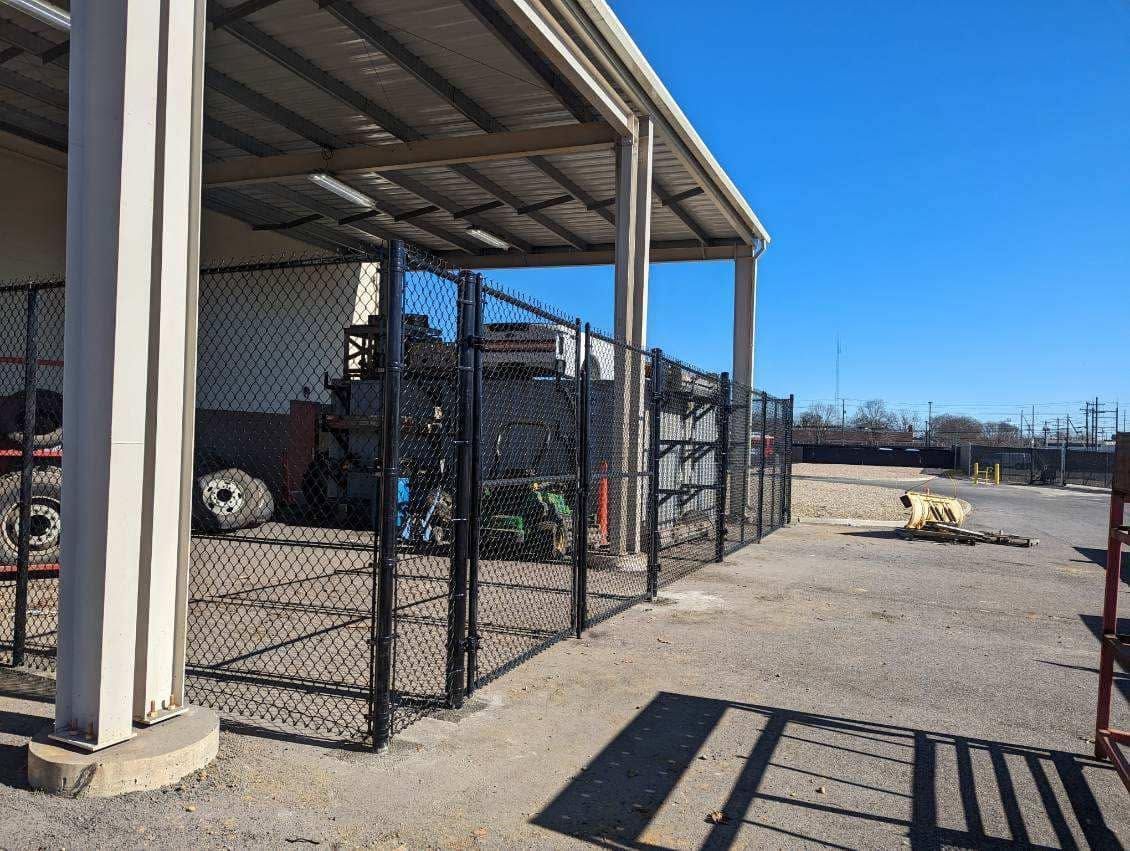
Over the past few decades, modern manufacturing has introduced protective vinyl coatings that add an extra shield against environmental corrosion while offering attractive color choices like black, green, and dark brown. These modern finishes allow industrial boundaries to blend smoothly into surrounding natural landscapes and suburban yards. Beyond residential perimeters, various wire gauges and mesh sizes cater to high-security facilities, athletic fields, and public parks. Thicker wire gauges resist cutting and physical impact, whereas smaller diamond openings prevent unauthorized climbing. Property owners seeking enhanced security often pair these heavy-duty systems with locked access gates, barbed wire extensions, or integrated privacy slats.
While chain link fabric offers incredible versatility and long-term cost savings, property owners must weigh its open design against their personal privacy goals. The open weave allows light and wind to pass freely, which reduces wind load against support posts during severe storms. However, this transparency means that neighboring properties have an unobstructed view into your yard. According to The Spruce, your fence should be a minimum of six feet tall if your main concern is privacy. Installing full-length privacy slats or dense windscreen fabrics into a six-foot frame delivers effective coverage while retaining the structural benefits of a traditional chain link framework.
Planning Your Chain Link Fence Installation
Successful boundary projects rely heavily on thorough upfront planning and accurate property assessment before any physical labor begins. You must identify your primary operational goals, whether that means keeping energetic dogs contained, securing valuable tools, or defining residential lines. Furthermore, evaluating your ground topography is essential because sloped terrain requires specialized step-installation or rack-installation methods to keep the fabric parallel to the ground. Identifying underground utility lines, mature tree roots, and existing landscaping features early prevents costly disruptions during the digging phase. Engaging early with local municipal planning offices ensures your planned boundary meets local zoning codes and property setback requirements.
Establishing a comprehensive budget is another vital step in managing your upcoming perimeter project. Total project costs depend on overall linear footage, framework height, wire gauge thickness, and chosen protective coatings. While chain link remains one of the most budget-friendly materials on the market, hiring expert installers for a full chain fence installation guarantees that corner posts are set in thick concrete and wire tension is precisely calibrated. Setting aside a modest contingency fund covers unexpected site challenges, such as underground rocky soil or severe slopes that require specialized post digging. Investing in heavy-gauge galvanized or color-coated hardware upfront minimizes future repair expenses and optimizes overall value.
Legal considerations and community guidelines must be addressed prior to purchasing materials or digging holes. Municipal zoning codes govern maximum height limits, material choices, and front-yard setback rules, often requiring formal building permits before construction starts. Homeowners associations frequently enforce specific color and height restrictions to preserve neighborhood aesthetics. Furthermore, constructing a fence over a property boundary line can spark expensive disputes with neighbors. Ordering a professional land survey pinpoints your exact boundary lines, protecting your investment. Scheduling an expert chain fence installations ensures full compliance with local building codes, preventing fines or mandatory structural modifications after construction wraps up.
Installation Process
Executing a flawless installation demands precise layout mapping, careful site clearing, and rigorous sub-surface post anchoring. Installers begin by driving wooden stakes at all corners and terminal ends, running tightly pulled mason string along the proposed perimeter path. Clearing vegetation, roots, and debris along this line creates a clean workspace and prevents organic growth from pushing against the lower tension wire. Terminal and corner posts receive deeper post holes—typically a full third of the post height—to handle the severe tension forces created when pulling the mesh fabric tight. Pouring high-strength concrete around every post guarantees a rigid, perfectly upright support structure capable of supporting heavy wind loads.
Once post concrete cures completely, installing horizontal top rails provides essential structural continuity across the entire run. Steel top rails pass through loop caps mounted on line posts, snapping together via swaged ends to form a seamless horizontal brace. Following rail installation, workers unroll the heavy mesh fabric along the ground, attaching a vertical tension bar through the end loops. Using a specialized fence stretcher or mechanical puller, installers apply continuous horizontal pull until the diamond mesh is taut and rigid. Securing the tensioned fabric to terminal posts using heavy steel bands keeps the wire suspended evenly off the ground.
Finalizing the structure involves attaching the fabric to line posts and top rails using durable aluminum or steel tie wires spaced at regular intervals. These ties hold the fabric flush against the top rail, preventing top edge sagging and keeping the bottom wire firmly aligned along the ground plane. Hanging access gates requires heavy-duty male and female hinges bolted securely to reinforced gate posts. Aligning gate latches precisely ensures smooth latching and easy padlock installation. Hiring professional contractors for your complete chain fence installations eliminates common DIY mistakes like loose mesh, leaning posts, and misaligned gates, yielding a beautiful, long-lasting boundary structure.
Installing a high-quality chain link barrier provides property owners with an unbeatable combination of security, long-term durability, and low-maintenance convenience. By carefully selecting the right material thickness, preparing your property line, adhering to municipal zoning codes, and following correct post-setting procedures, you establish a solid perimeter that stands firm for decades. Whether you choose standard galvanized wire for budget efficiency or vinyl-coated mesh with privacy slats for visual style, proper planning and skilled execution guarantee superior performance. Taking the time to install your perimeter correctly protects your property, keeps pets safe, and defines your boundaries clearly.
When you are ready to secure your property with a professionally built barrier, trust the experienced team at Endevers Fence. Their skilled installation crews provide complete chain fence installations services, delivering precise post placement, optimal fabric tension, and durable gate hardware customized to your exact landscape. Partnering with proven perimeter specialists ensures a stress-free project and a pristine final result that elevates your property's safety and curb appeal.